How to dress for winter running.
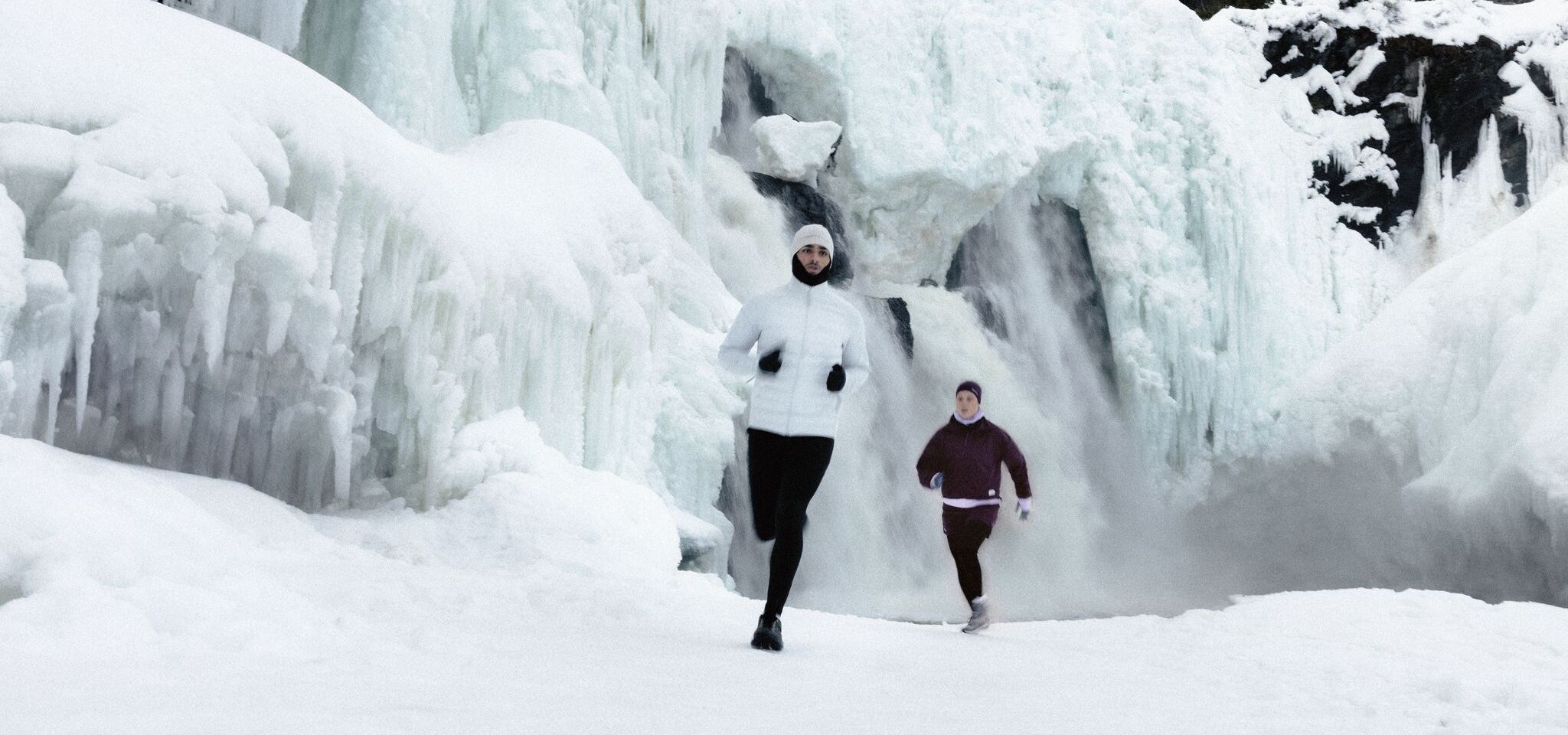
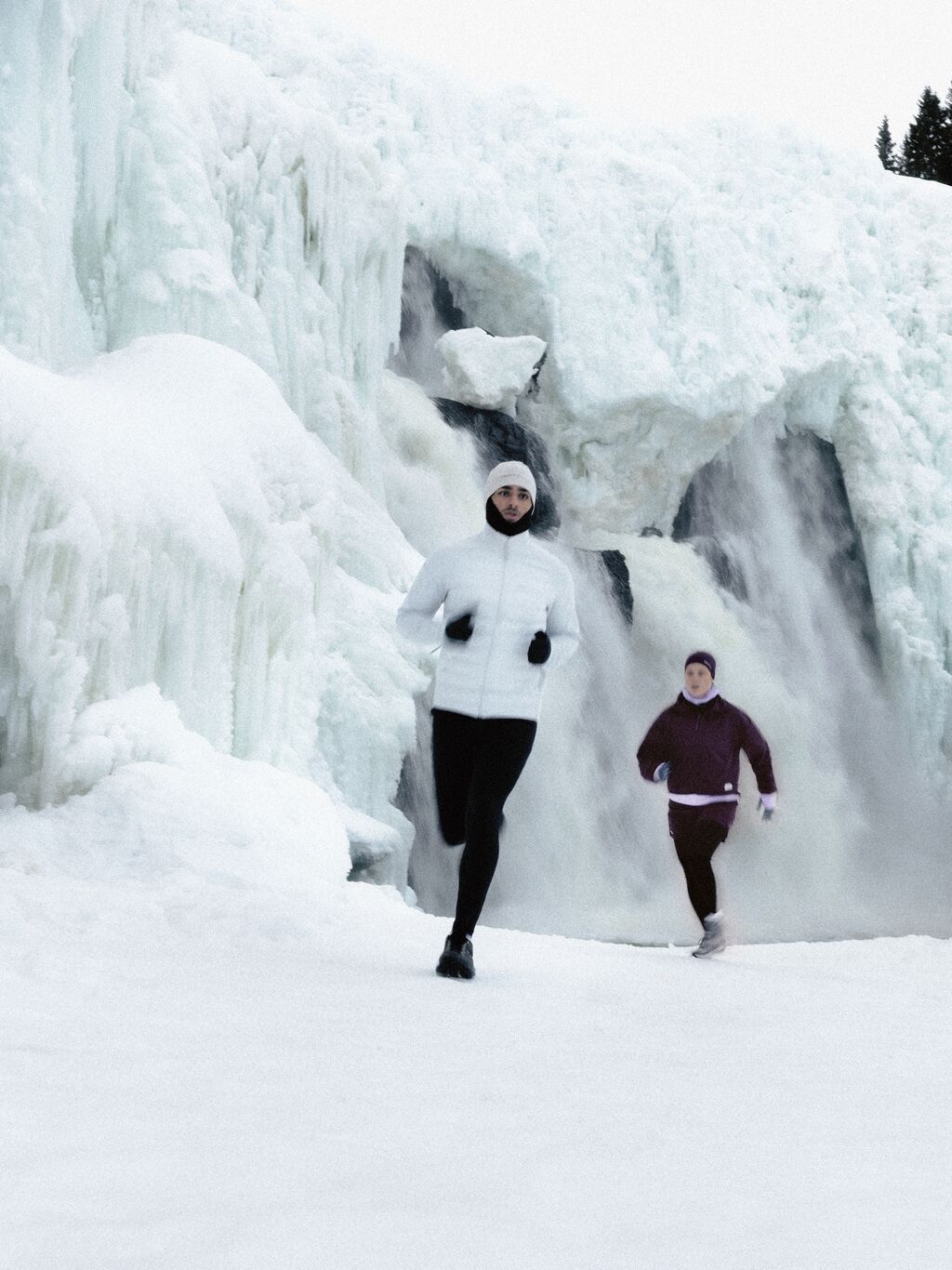
Winter running can be one of the most rewarding ways to stay active during the colder months. Running on soft, silent snow and quiet winter trails offers a unique experience, while lower temperatures help you stay cool even during longer runs. For many runners, winter is also the perfect season to build a strong base ahead of spring and summer.
To fully enjoy running in cold weather, it's important to dress appropriately. As temperatures drop and conditions become more challenging, choosing the right clothing can make all the difference.
In this guide, we'll help you find the right gear for your winter runs.
)
Don't dress too warm. Dress to optimize comfort during the second half of the workout. Ideally, you should freeze a little in the beginning, even if it’s unpleasant.
)
)
Jackets and vests
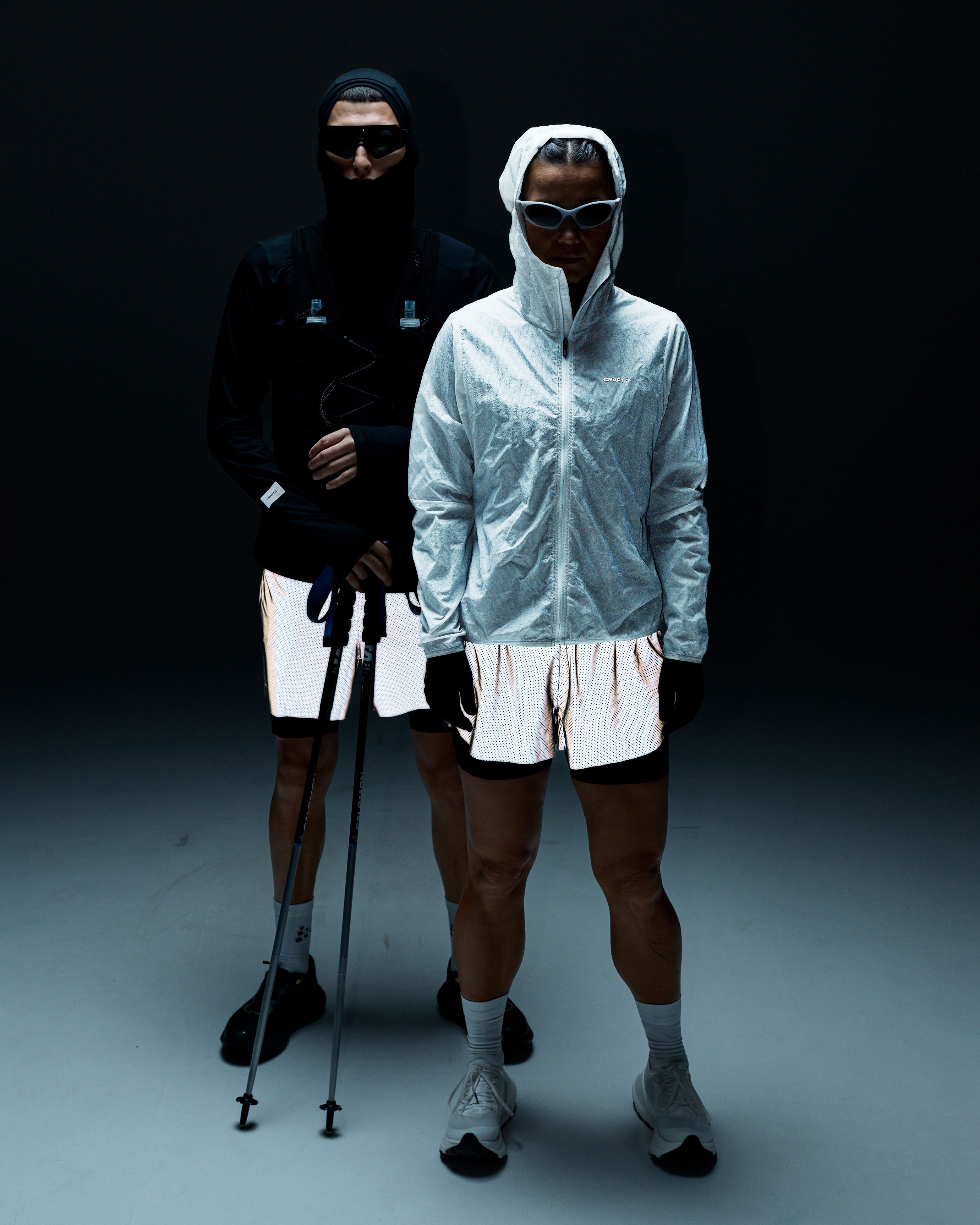
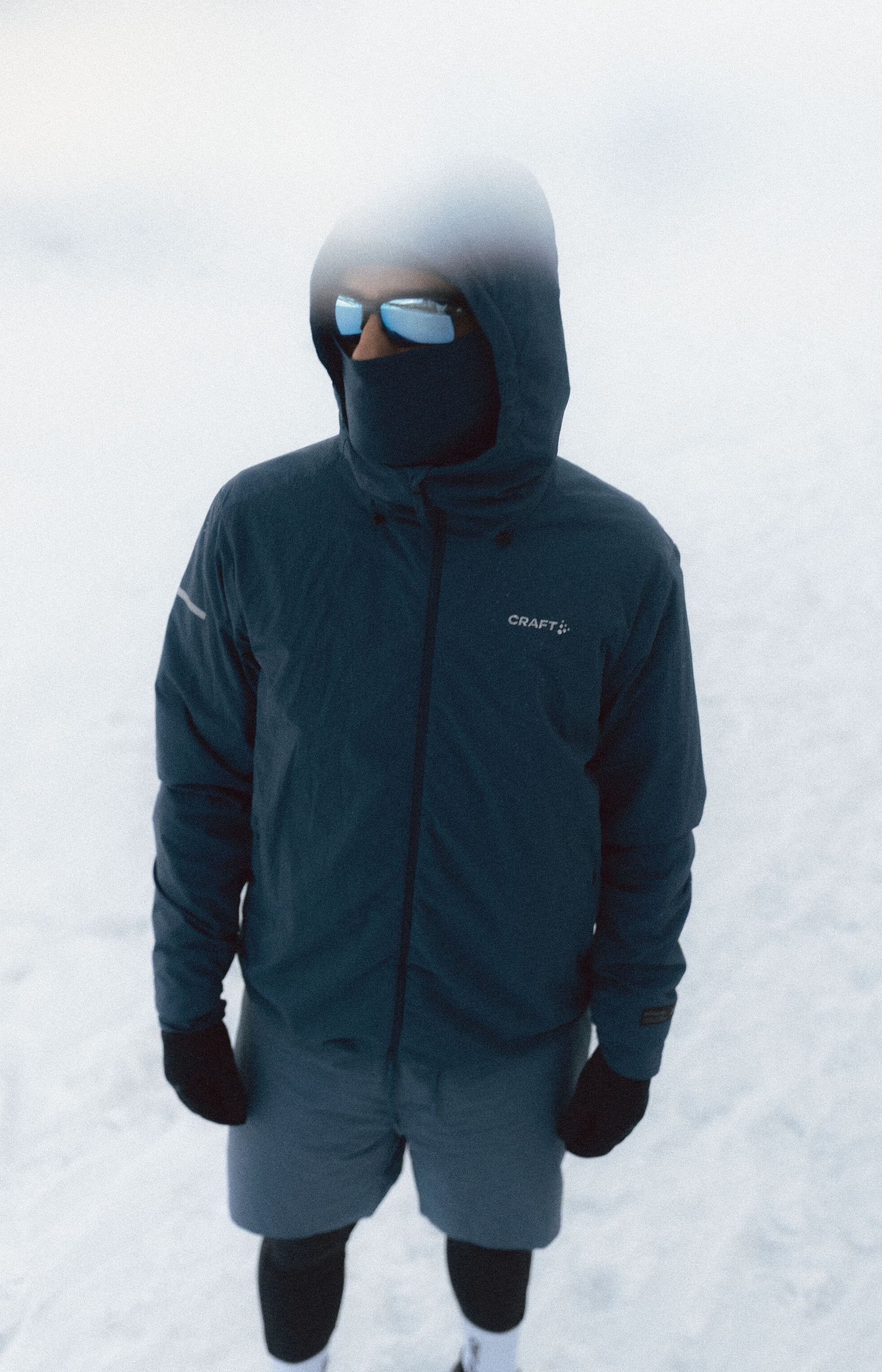
To protect against cold temperatures and wind, wear a windproof jacket over your base layer, or choose a vest with insulation at the front and breathable fabric at the back. This combination keeps your core warm while allowing excess heat to escape.
For high-intensity running in colder conditions, a warm and ventilating long-sleeve can be a good option.
Tights and shorts
For your legs, a pair of warm running tights is a great choice when temperatures drop. For extra protection, wear padded shorts over your regular tights. They provide additional insulation where you need it most while maintaining freedom of movement and ventilation around the lower legs.
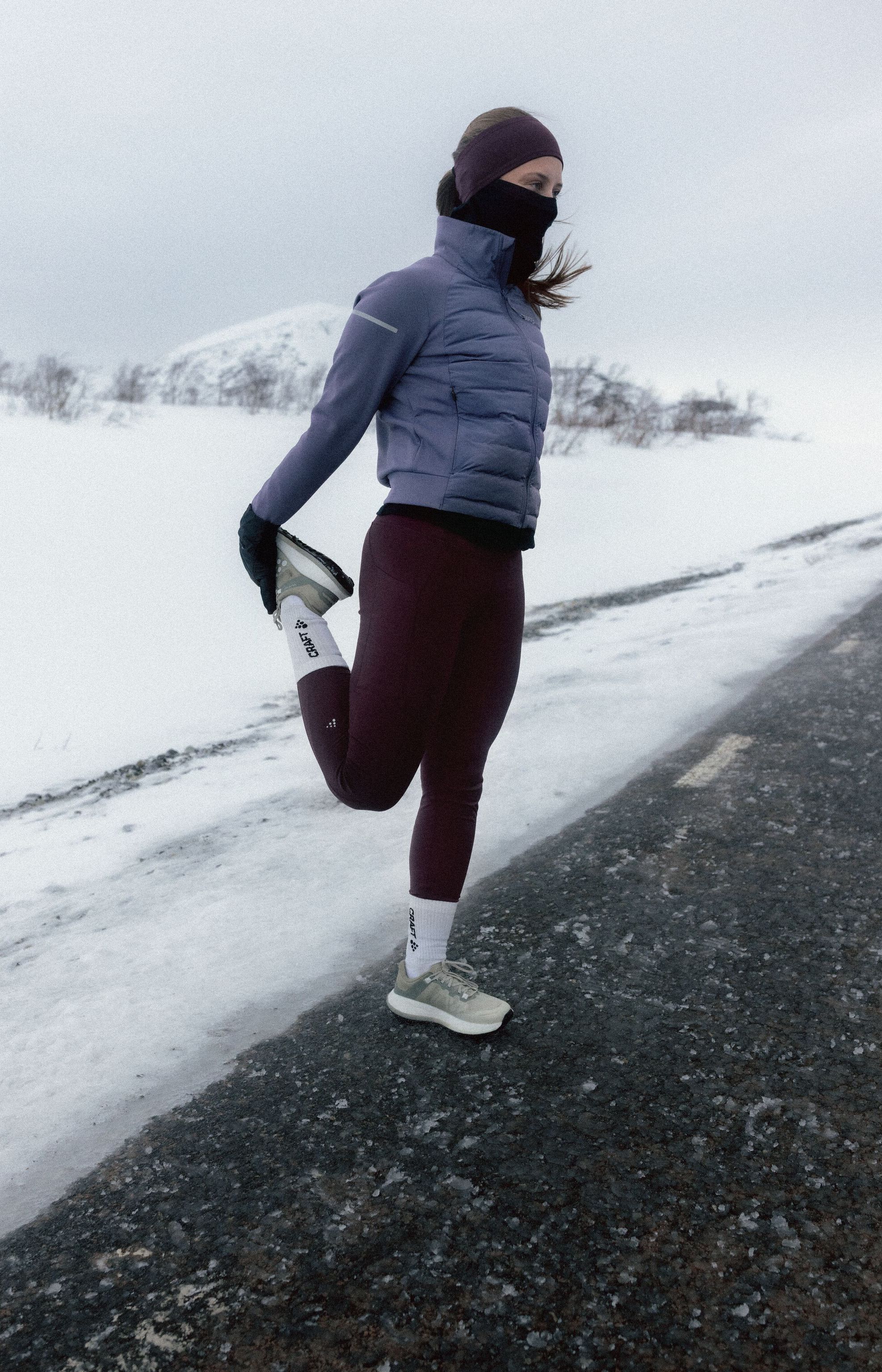
Explore Winter Running bottoms
Accessories
When temperatures, weather conditions and intensity levels change, it's important to be able to adjust your clothing accordingly. Hats and gloves in different thicknesses, a vest, and a long-sleeve jersey with thumb holes are all useful options for fine-tuning your comfort throughout a run.
A neck tube is one of the most versatile winter running accessories. Pull it up to cover your face and ears when it's cold, wear it around your neck for extra protection, or stash it in a pocket when you start to warm up.
)
The baselayer.
A versatile baselayer is perfect for winter running as it helps you stay both warm and dry. Remember that it’s better to wear multiple, and slightly thinner, layers in colder conditions. This creates layers of air in between the garments that provide more warmth than one thick garment. And if it gets too hot, you can easily remove a layer.
)
)
)