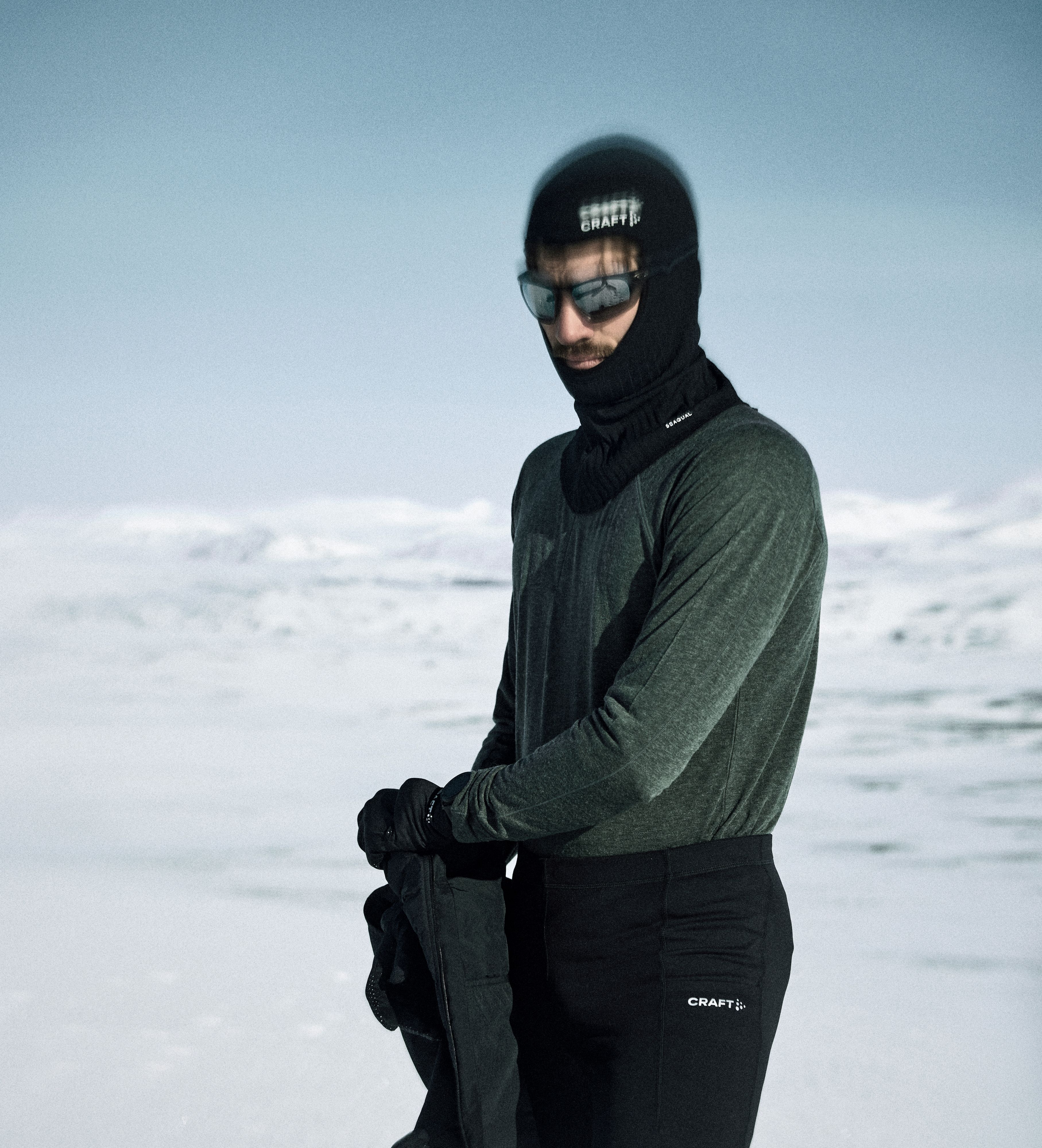
Choose the right baselayer.
Discover the essentials for staying warm, dry, and flexible in winter with our complete baselayer guide.
Discover the essentials for staying warm, dry, and flexible in winter with our complete baselayer guide.
Free shipping on orders above €50
NORDIC SKI
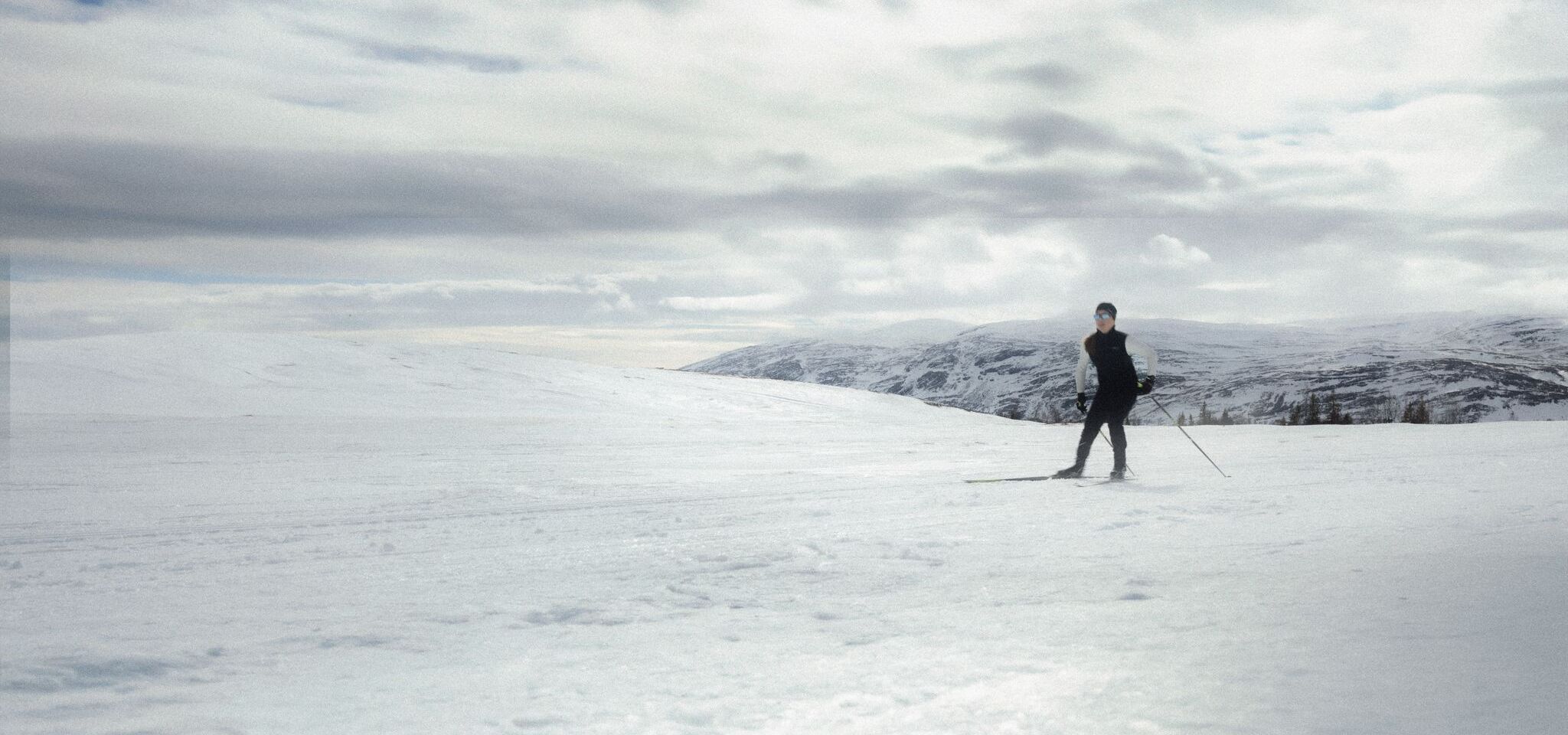
Our cross-country ski range is designed for every part of the skiing experience. From race-focused garments created for demanding training sessions and competition to versatile pieces for everyday skiing, long tours in the mountains and colder winter conditions.
Built on decades of experience in Nordic conditions and refined through collaborations with elite athletes and national teams, our products are designed to meet the needs of different skiers, conditions and experiences. Explore the range to find the gear that best matches your goals and your way of skiing.
For those who ski with purpose. Whether you're chasing a personal best or lining up at the start line, this selection combines lightweight materials, technical features and a close-to-body fit for performance-oriented skiing.
)
For regular training in the tracks. Comfortable and functional apparel designed for active ski sessions, with the protection and freedom of movement you need to find your rhythm and keep going.
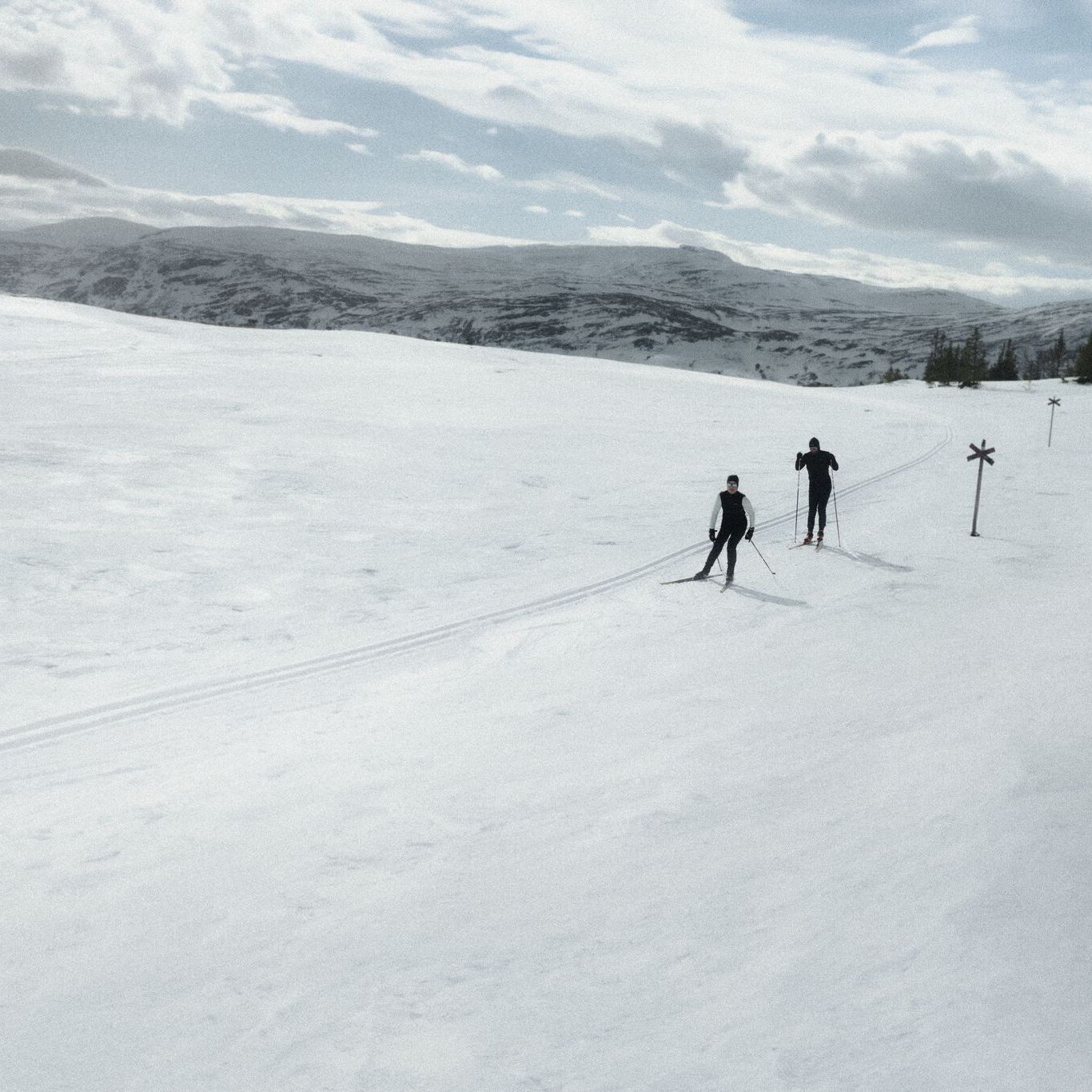
For when the temperature drops. Garments designed to provide extra warmth and comfort in colder conditions, from pieces worn throughout the session to additional layers you can add or remove as the weather and intensity change. Ideal for everything from training sessions to long days in the ski tracks.
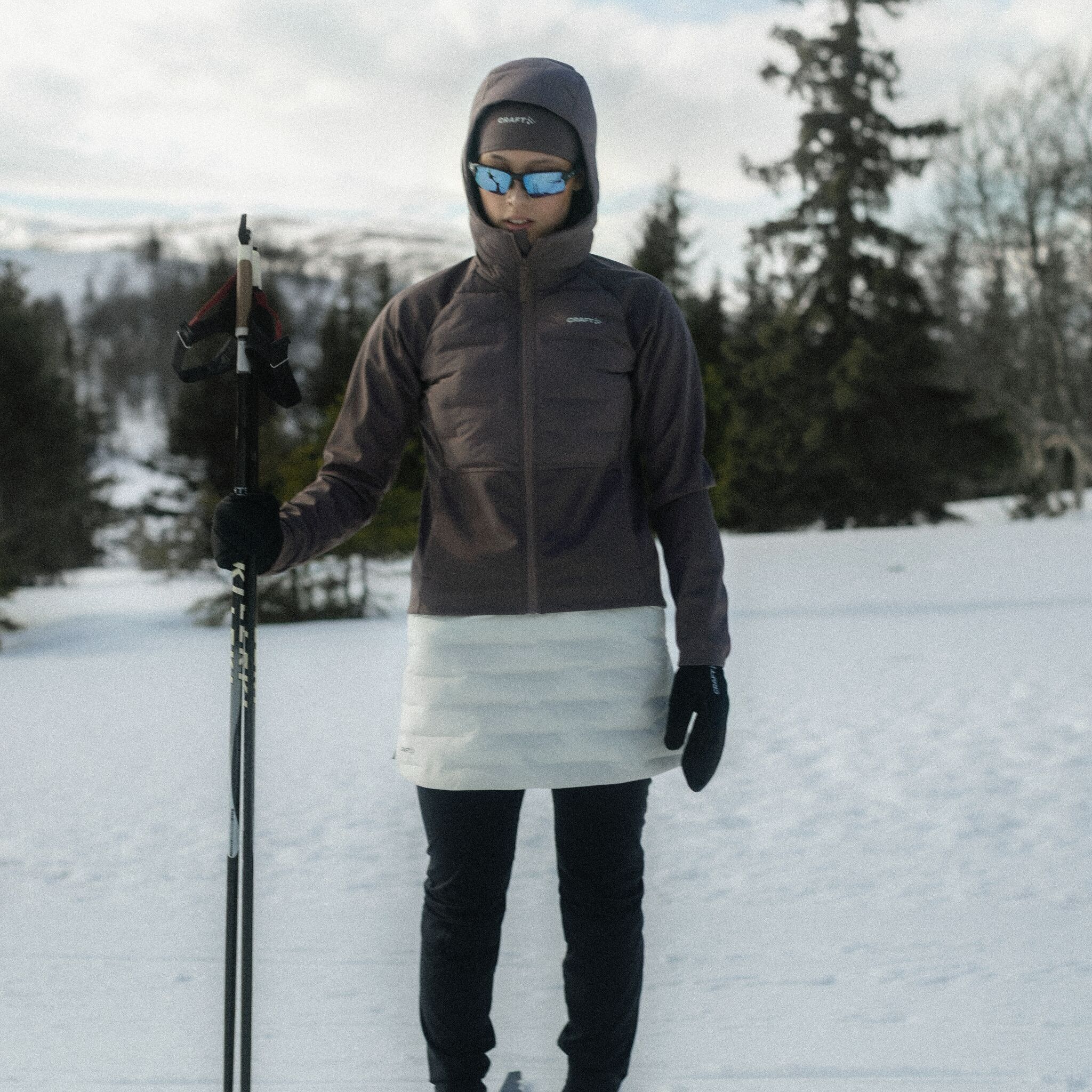
For skiers who like to explore. Whether you're heading into the mountains, following winding trails through the forest or spending hours on snow, these garments are designed for changing weather, exposed terrain and windy conditions, with the freedom to explore beyond the groomed tracks.
)
Discover the essentials for staying warm, dry, and flexible in winter with our complete baselayer guide.
Discover the essentials for staying warm, dry, and flexible in winter with our complete baselayer guide.
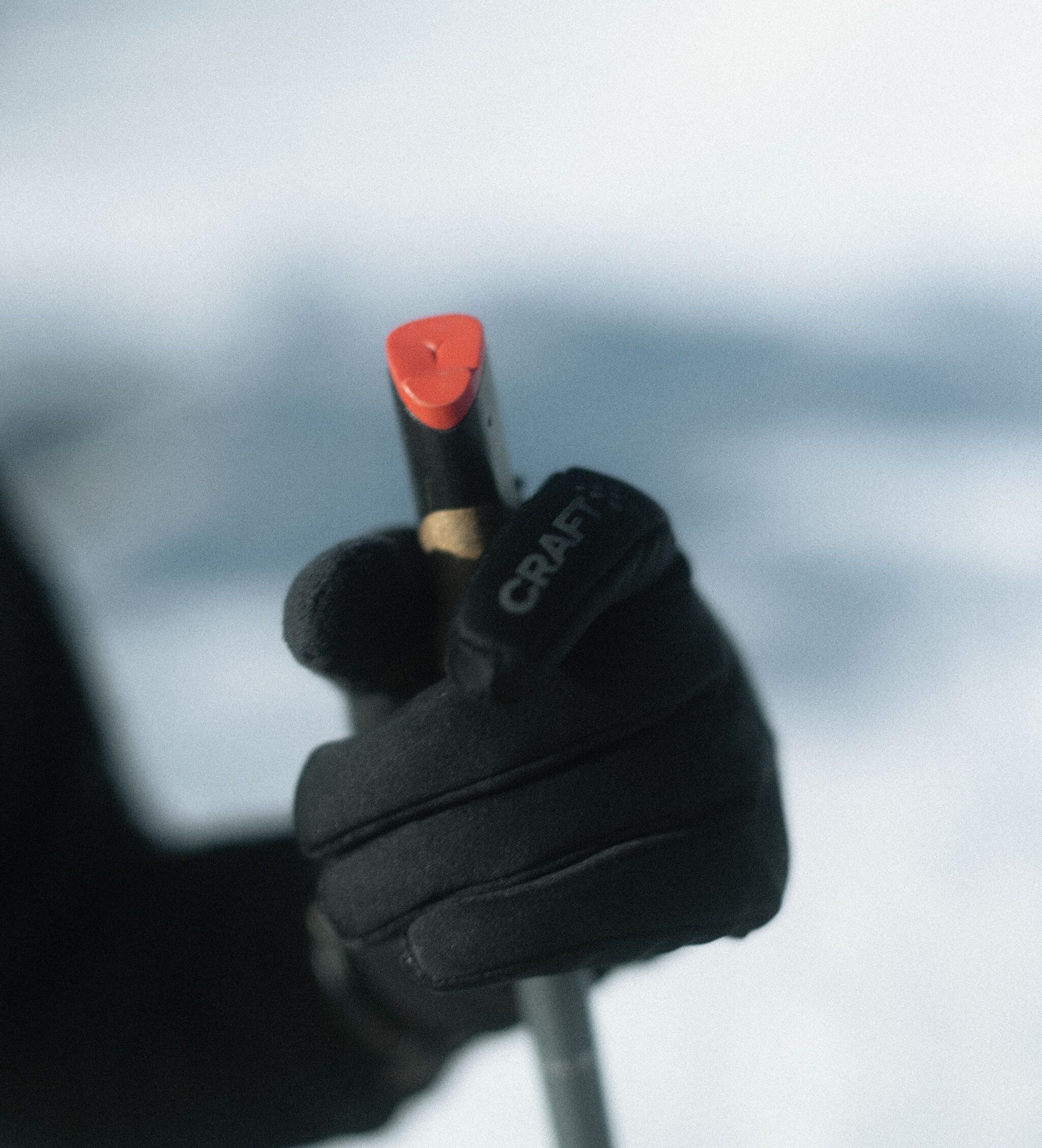
Stay warm and dry with performance-driven Nordic skiing accessories for any winter condition.
Stay warm and dry with performance-driven Nordic skiing accessories for any winter condition.
Many skiers tend to sometimes dress a little too warm. Dressing correctly will improve both your performance and overall ski experience. A good tip is to always look at the thermometer before you hit the tracks, and then test your way during the training sessions. Eventually you will learn how many layers you need at different temperatures. It’s usually preferable to wear less clothes and be a little bit cold during the first 5 to 10 minutes of the workout, because that’s when the body heats up to reach its working temperature.


