NORDIC SKI
How to dress for a ski race.
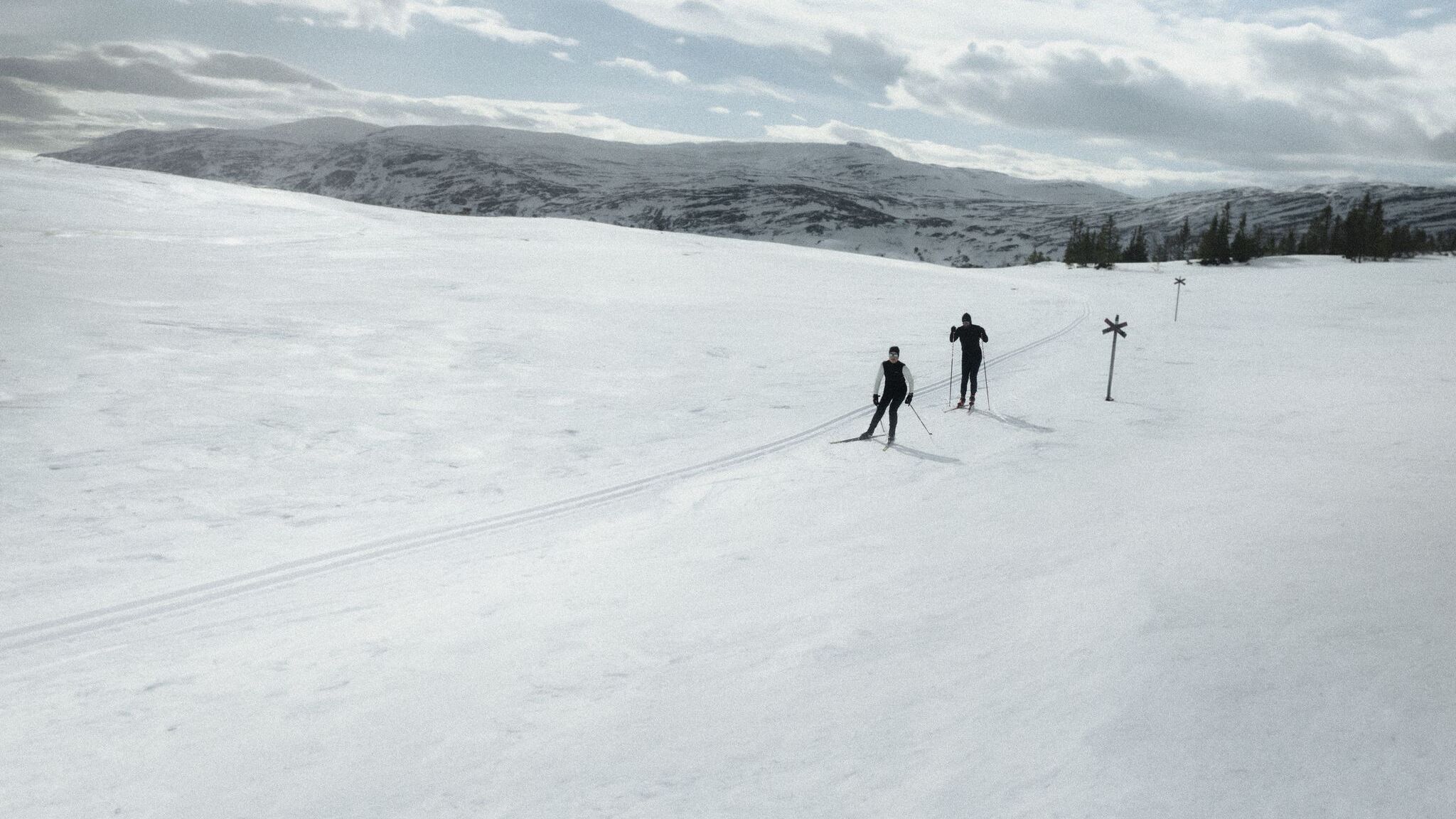
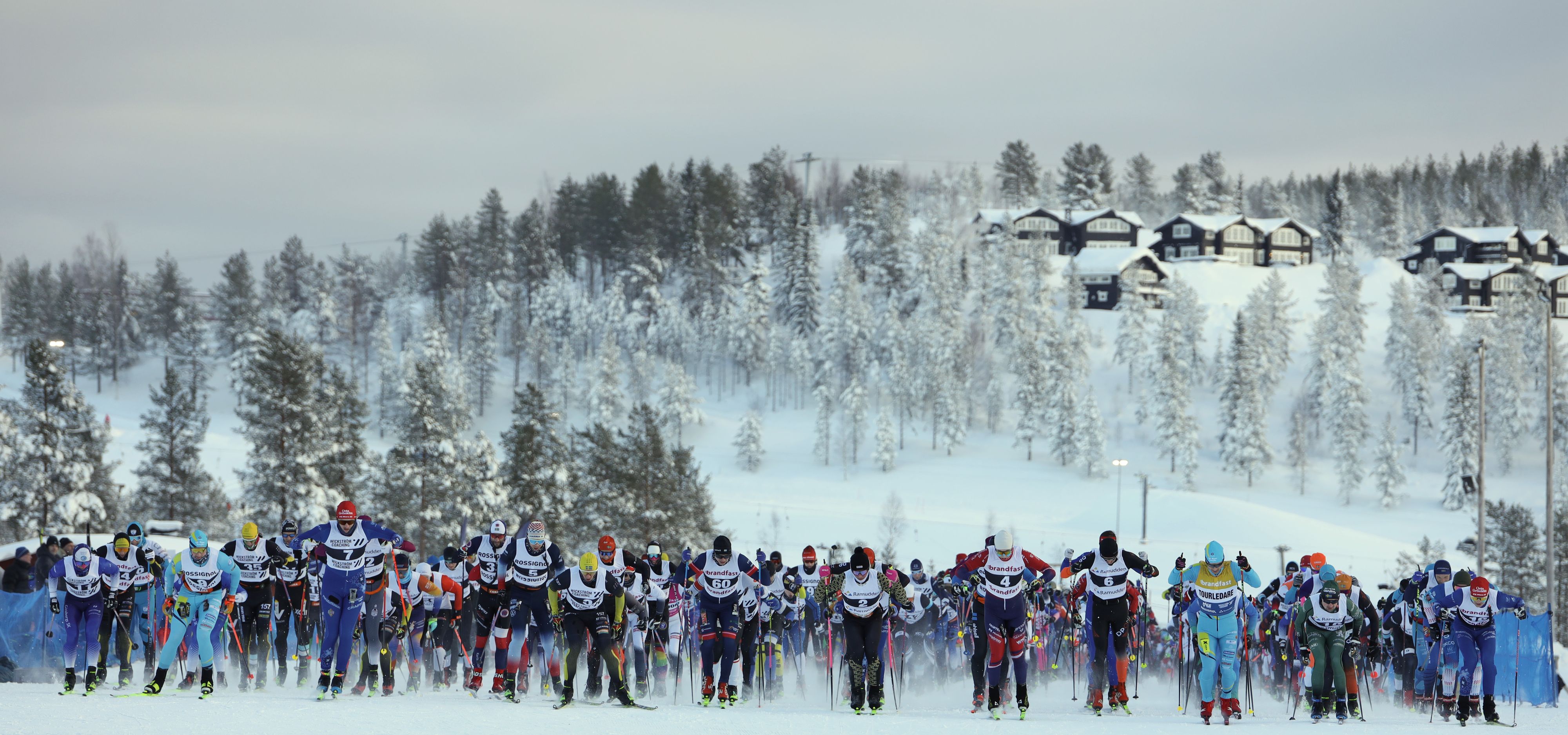
Whether you're preparing for Vasaloppet or another cross-country ski race, the miles you've put in are what matter most. But wearing the right clothing on race day can make a big difference to how you feel throughout the race. In this guide, we'll walk you through what to consider before heading to the start line.
"It's perfectly fine to feel a little chilly at the start and during the first 5–10 minutes of the race. Wearing too many layers can cause you to overheat and waste valuable energy."
— Henrik Åbom, Product Manager
Start with your base layer
BASELAYER
During a ski race, the intensity is often high, making our synthetic Active base layers the preferred choice. They efficiently wick moisture away from your body and help keep you dry so you can perform at your best. There are several options to choose from, depending on your intensity level and how cold it is.
A wool base layer is generally not the first choice for racing, but it can be a good alternative if you plan to ski at a more relaxed pace with plenty of breaks.
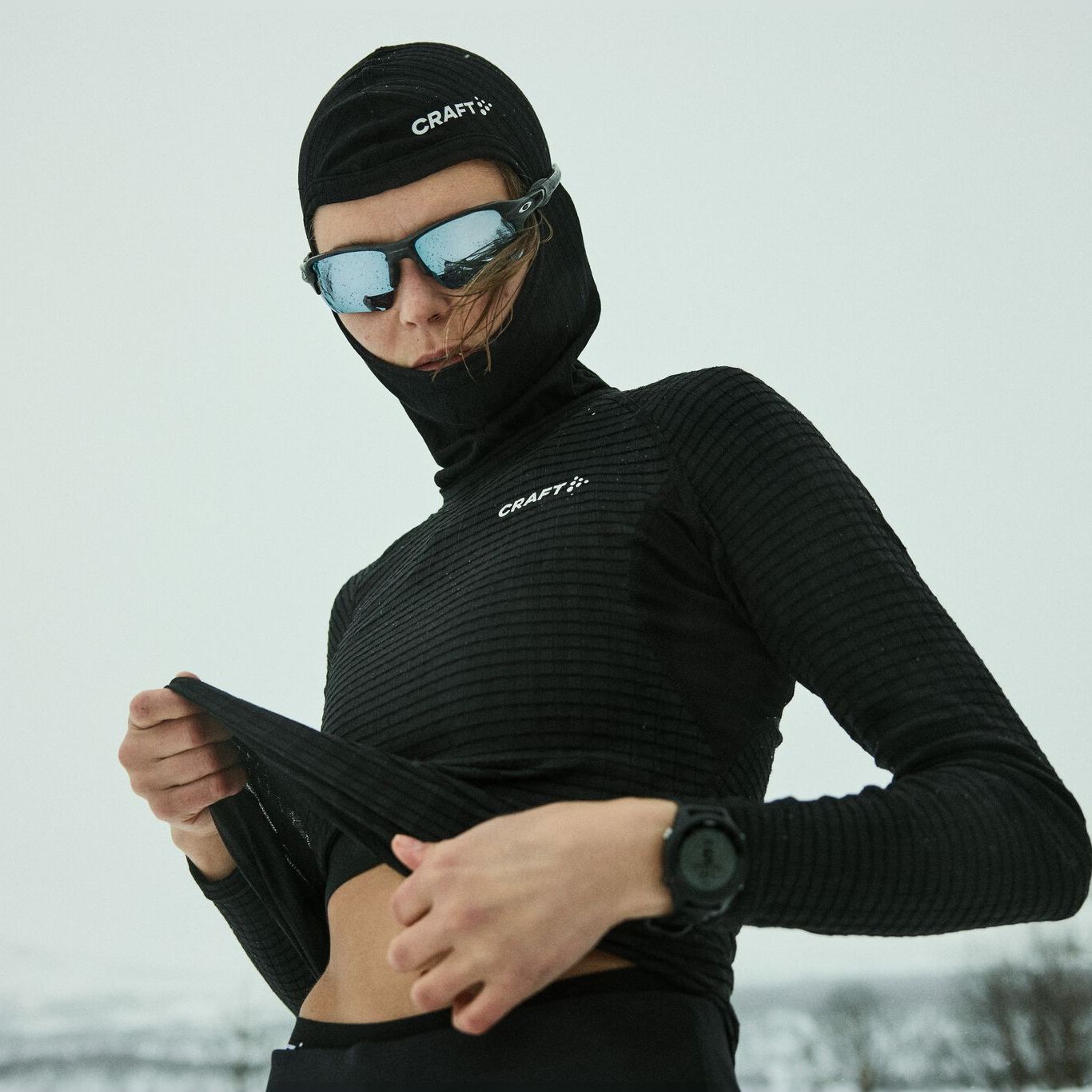
Active base layers for cross country skiing
Wool base layers for cross country skiing
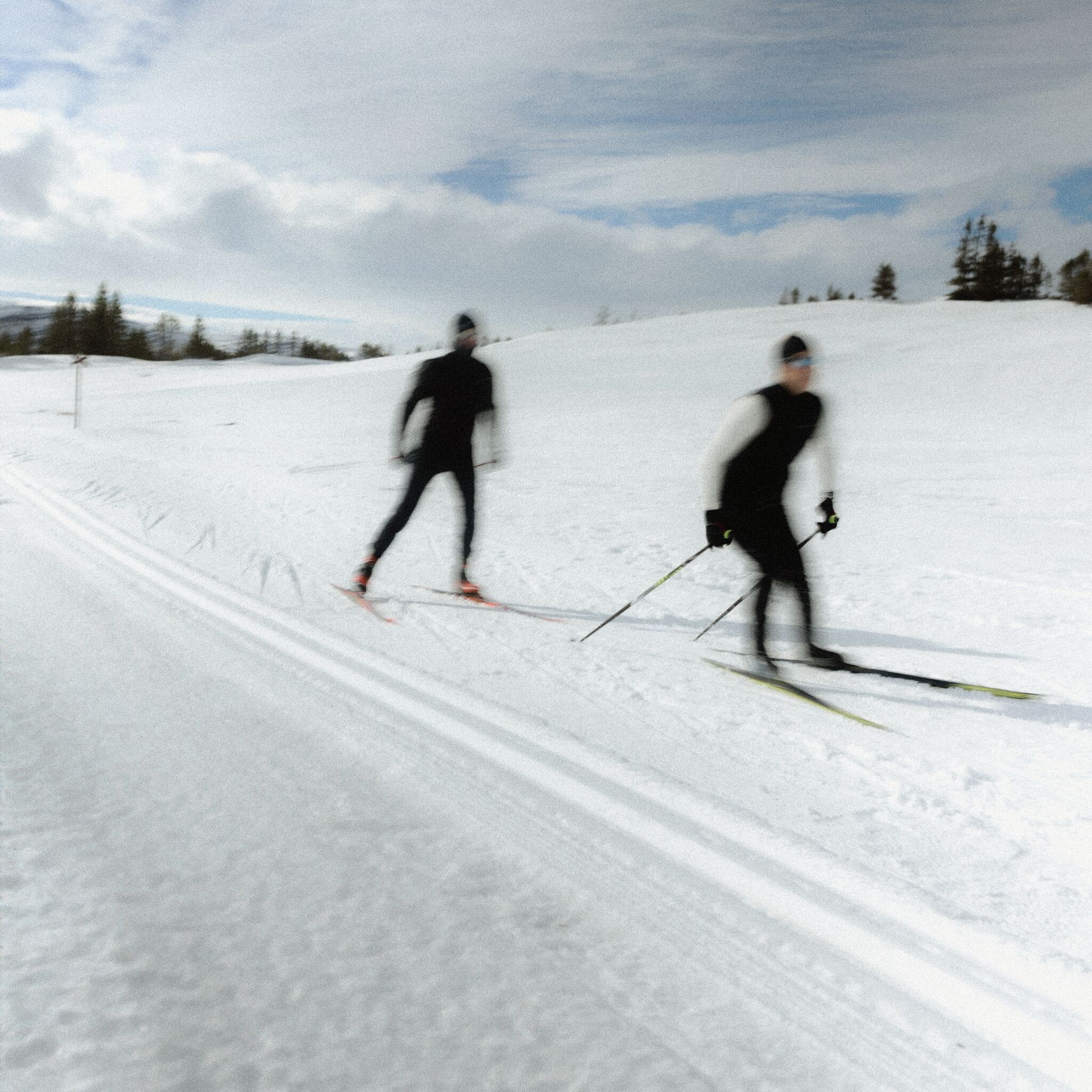
For those who ski at their own pace
For those chasing every second
Choose the right accessories
GLOVES, SOCKS, HATS AND OTHER ACCESSORIES
The right accessories can make a big difference during a race. Gloves, socks and hats keep you warm and help regulate your body temperature as the weather or intensity changes. A snug but comfortable fit is important to prevent chafing. A neck warmer is a great addition and can be worn in several different ways throughout the race.
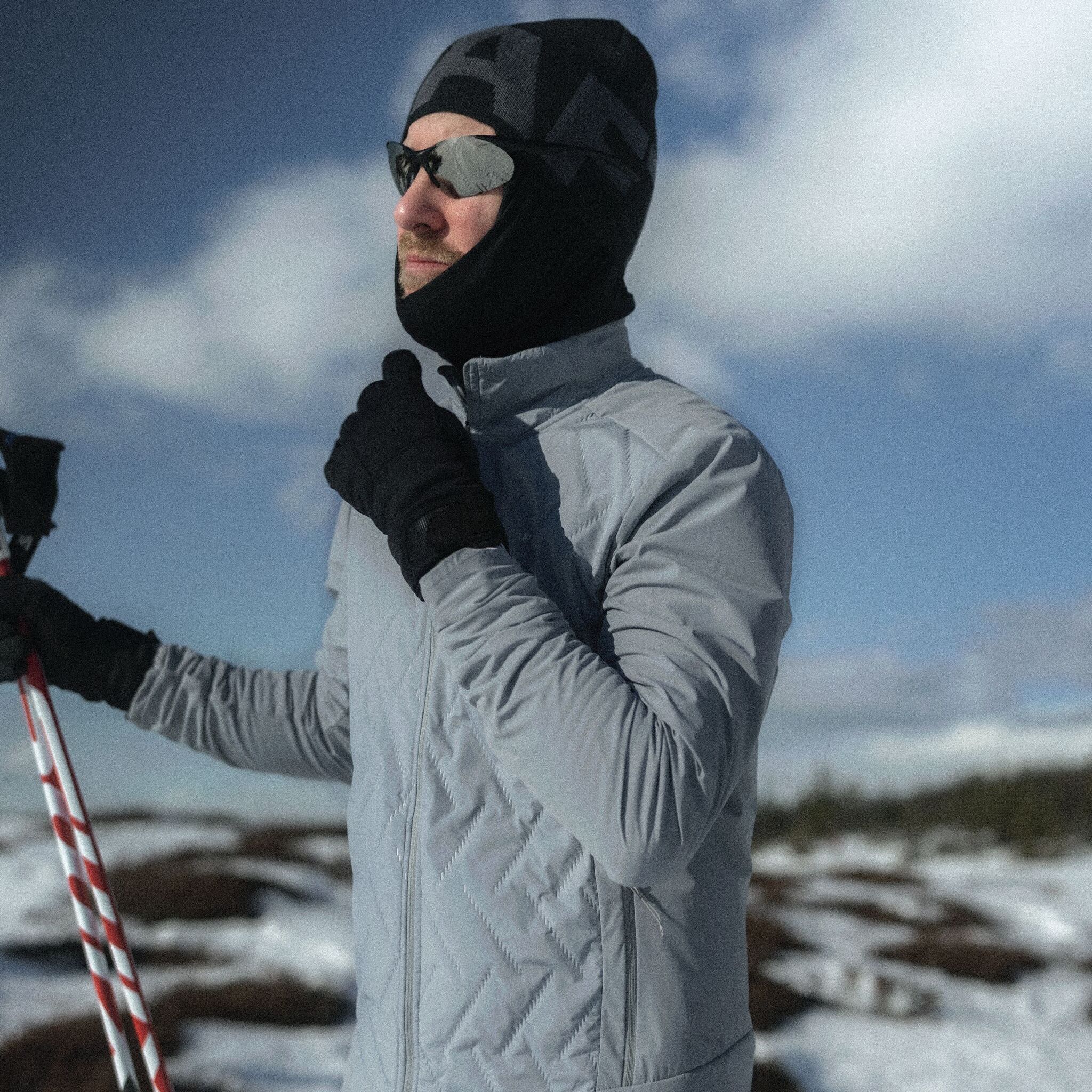
Accessories
Extra warmth when and where you need it
EXTRA WARMTH
An extra insulating layer can help keep you warm on your way to the start line. If you tend to get cold easily, you can also wear these layers throughout the race. Lightweight options such as skirts and vests are easy to remove as you pick up the pace or the temperature rises.
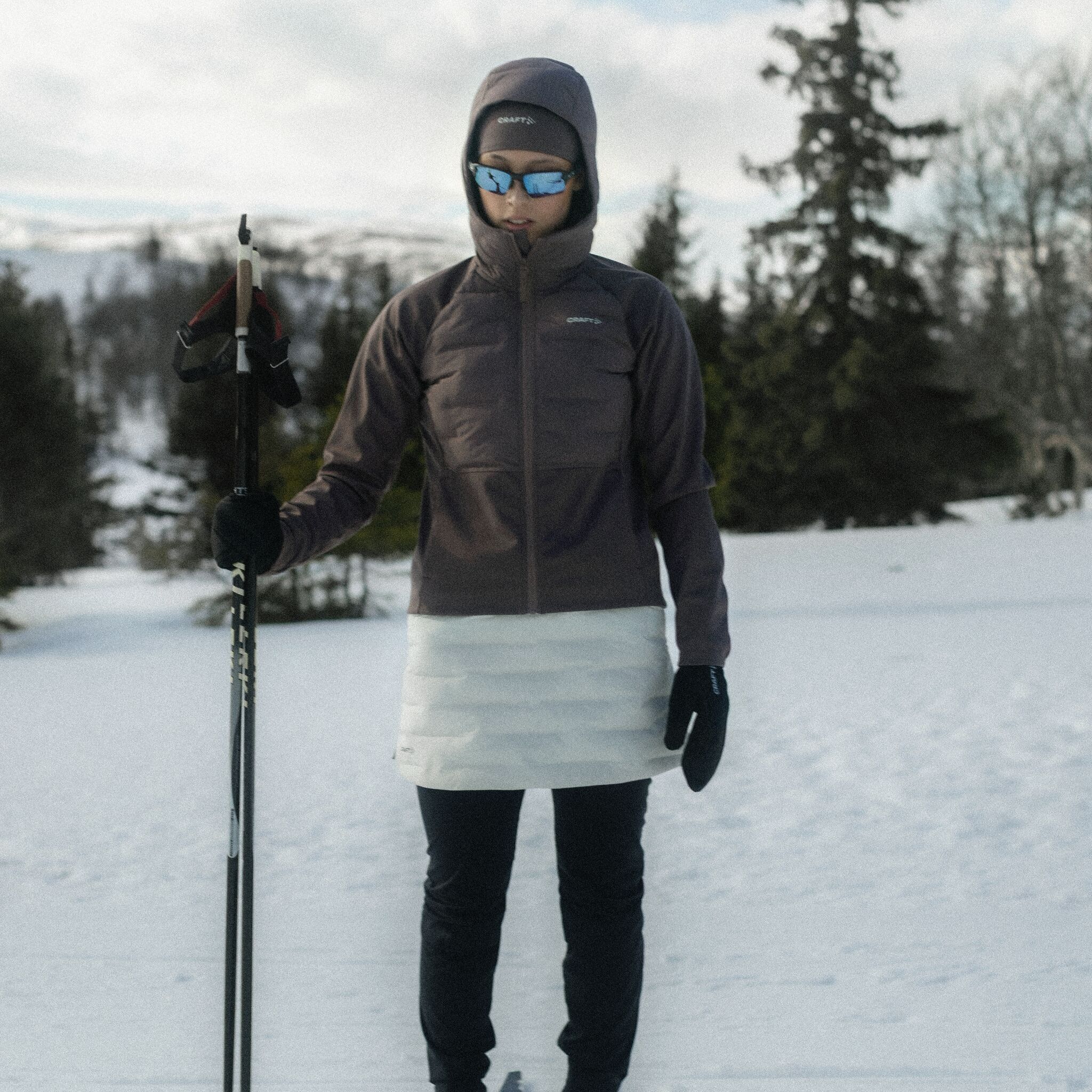
Extra Warmth
The right preparation makes all the difference. Make sure to test your clothing and gear during training so you know everything fits comfortably and performs as it should. When race day arrives, you can focus entirely on what really matters – the race ahead.