)
)
How to dress for autumn cycling.
Autumn cycling is all about adapting. Some days still feel almost like summer. Others bring wind, wet roads, sudden showers and the first signs of winter. There is no single right setup for every rider or every ride. Some keep things light for as long as possible, others add warmth at the first sign of a cold breeze. The best combination depends on the weather, the effort, how warm you run and, of course, a few unwritten rules of cycling style. The key is not simply to dress warmer, but to dress smarter: with layers that protect, breathe and can be adjusted as the ride changes.
Long-sleeved jerseys
A long-sleeved jersey is often the first real step away from summer kit. It gives more coverage and light insulation, while still letting you regulate temperature as the pace changes. A lighter long-sleeved jersey can work well for milder autumn rides, especially when the effort is high. For colder days, slower rides or windy conditions, a warmer and more insulated style can add welcome comfort.
)
Bib tights
When bare legs stop feeling like a good idea, bib tights become the natural next step. They offer full-leg coverage, warmth and protection from cold wind, without the need to stop and adjust warmers during the ride. Lighter styles suit cool, dry autumn days, while thermal or weather-protective bib tights are better for colder, windier or wetter conditions.
Cycling jackets
Autumn weather can change fast, and a good cycling jacket helps you handle wind, dropping temperatures and light rain without losing too much breathability. For training rides, a lightweight and packable jacket is often the most versatile choice. For colder rides, a more insulating jacket can help keep the core warm while still allowing moisture to escape.
)
Vests, warmers and gloves
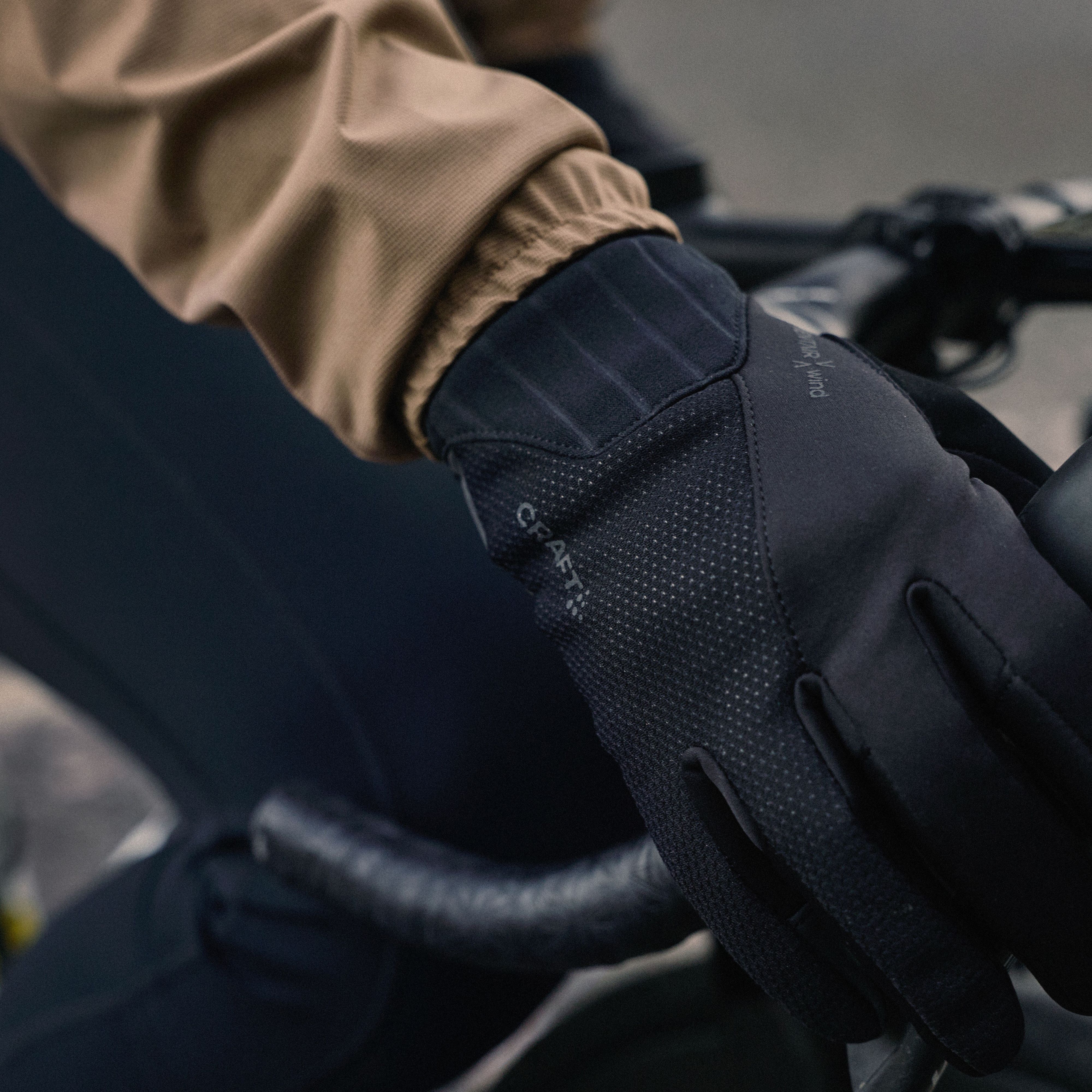
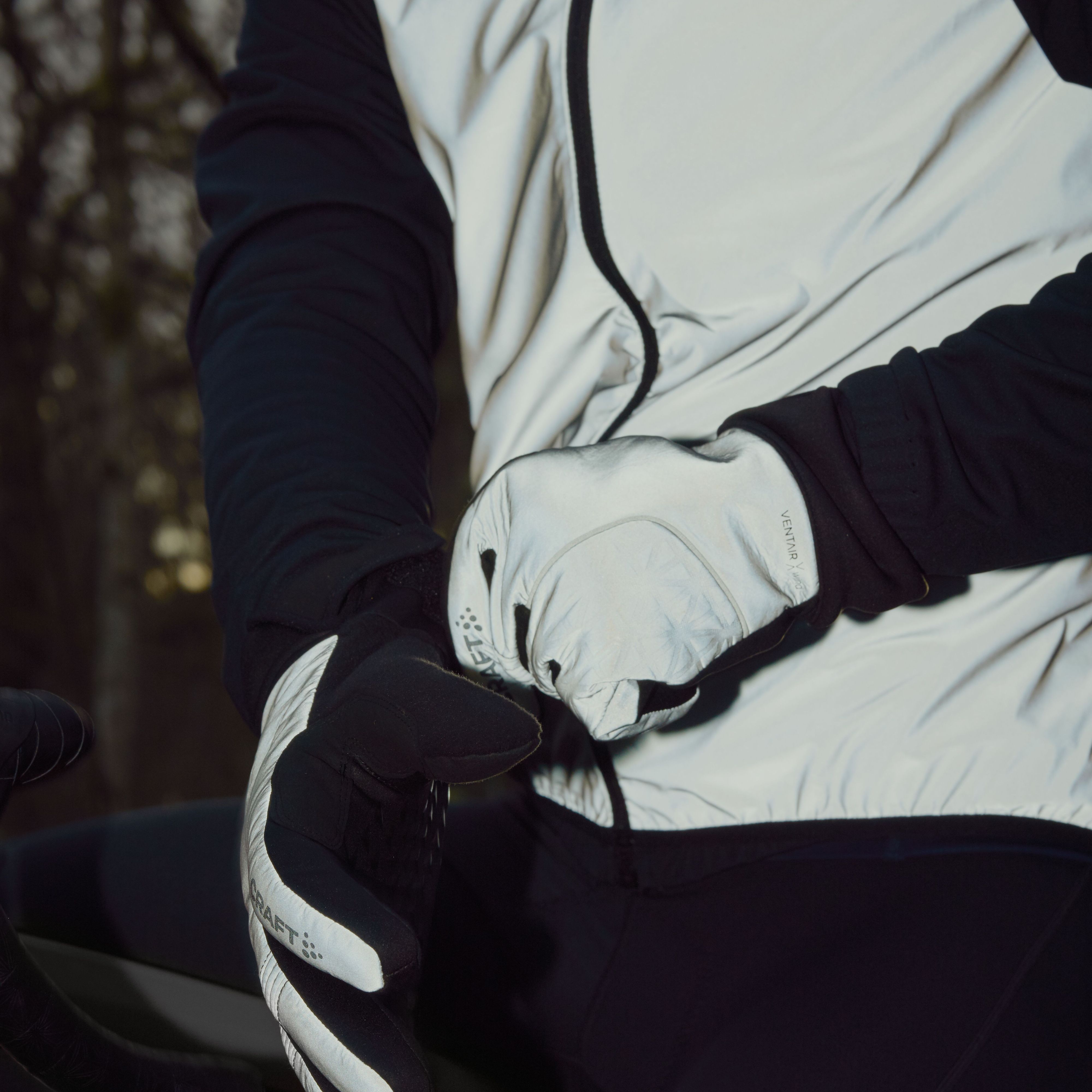
Some autumn rides are mild enough that you only need a little extra protection. A vest, arm warmers, leg warmers and thin gloves let you fine-tune your outfit as conditions change, helping you stay comfortable through cold starts, descents and windy sections. The advantage is flexibility: easy to put on, easy to take off, easy to pack away.
Rainwear and shoe covers
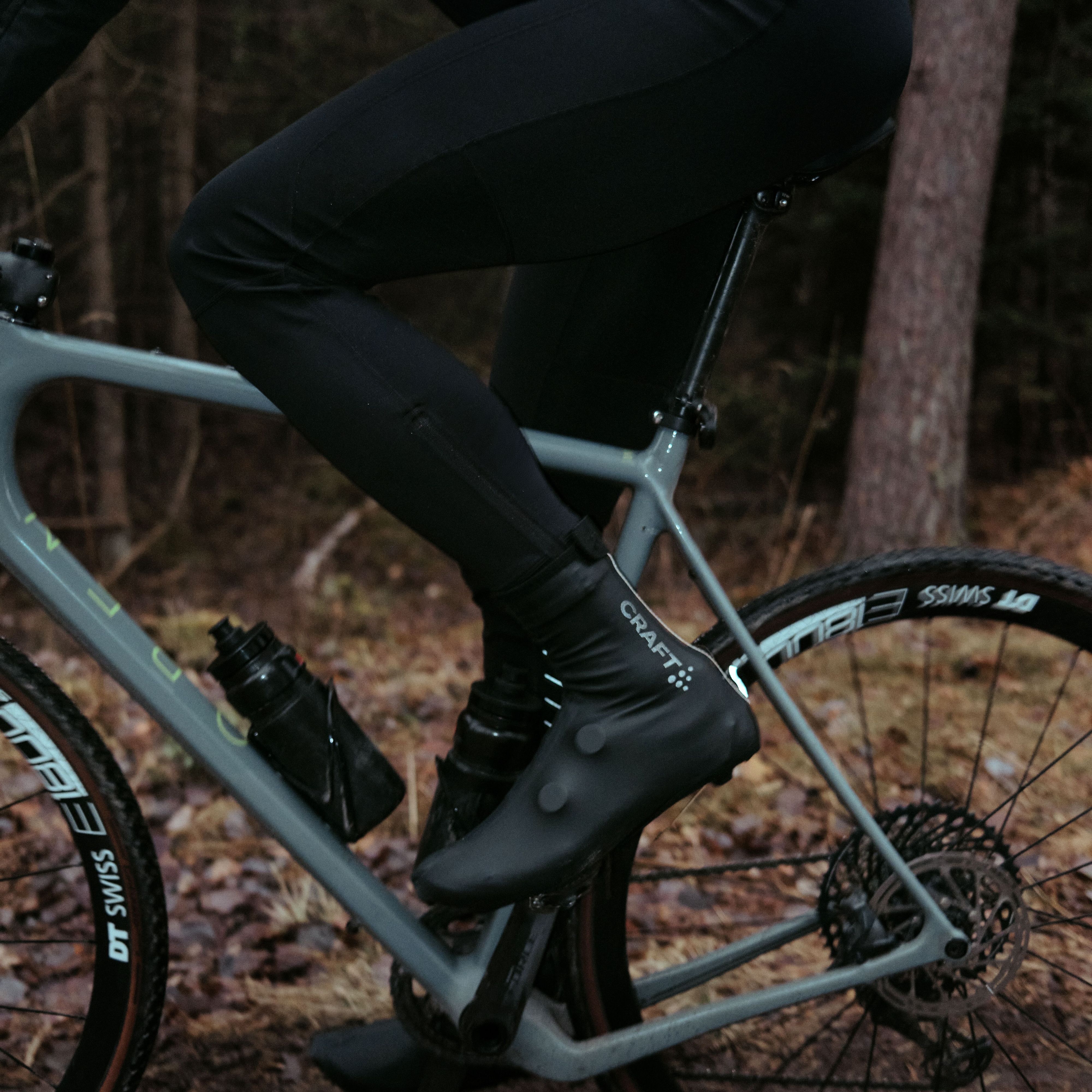
Rain happens. And in autumn, rain usually means cold too. In summer, a short shower can be fine. In autumn, a wet ride can turn uncomfortable much faster. A lightweight rain jacket works well for training rides when packability and breathability matter. For commuting or very wet days, more waterproof protection may be the better choice. Shoe covers can also make a big difference when the road is wet and the temperature drops.
)
)
)
Final thought
The best way to dress for autumn cycling is to think in layers. Start with reliable main layers, add protection for wind and rain, and make sure you can adjust as the ride changes. Autumn is unpredictable, but the right kit makes it much easier to keep riding.


